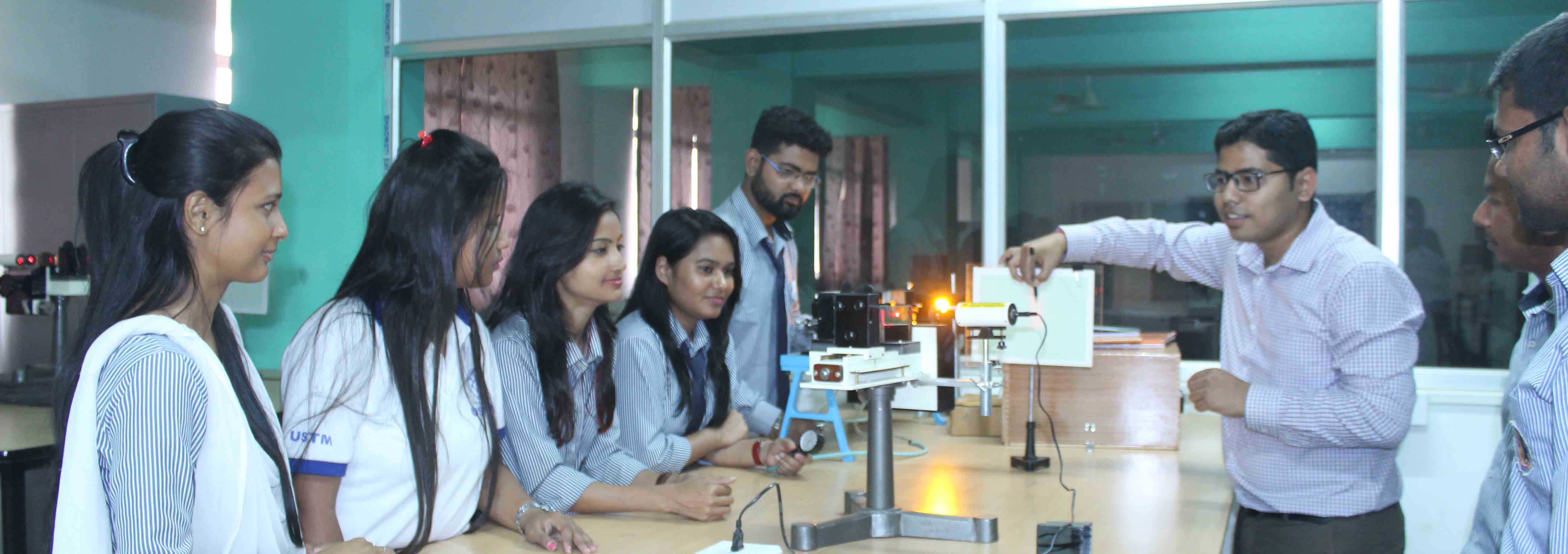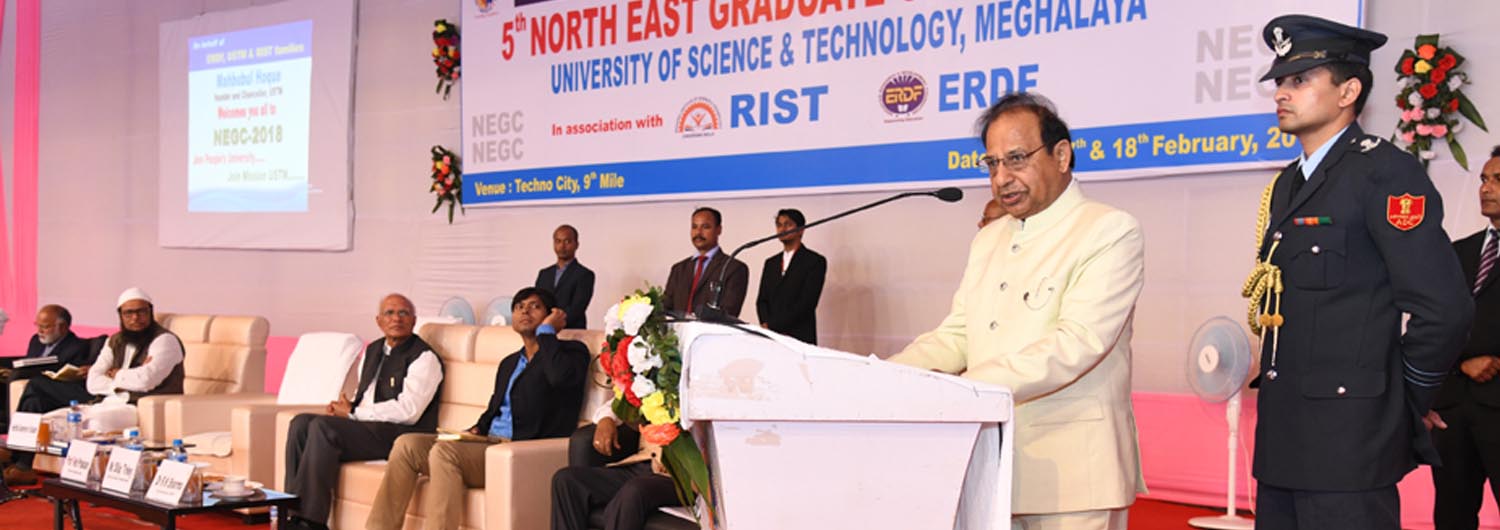


Asteroids are small, rocky objects that orbit the Sun, like our planets, mostly belong to the Asteroid Belt - a region between the orbits of Mars and Jupiter. Being formed at the same time as our solar system, these space rocks can give us lots of information about the history of the sun and the planets. Though the extinction of the Dinosaurs is thought to be due to Asteroid impact on Earth, however, till the known history of humankind, we have not yet faced any apocalypse, luckily. Since the threat is still ON, humans must act smarter than the Dinosaurs. Protecting the planet from asteroid impact requires first knowing about these space objects. Studying the chemical and physical properties, as well as the location and motion of asteroids, is vital to understand how the solar system objects came to exist. To address this issue, the Department of Physics conducted a workshop on asteroid detection using PAN-STARRS data and Astrometrica software, in collaboration with Assam University, Silchar, Assam, and in association with Scientific Temperament, Gohpur, Assam, empowered by ISRO's Space Tutor Program. The program has started with a popular talk on "Asteroids: Mysterious object of the Solar System", delivered by Dr. Himadri Sekhar Das, Associate Professor of Physics, Assam University, Silchar. Explaining the importance of asteroid hunting programs, Dr. Das mentioned NASA's recent successful expedition for alteration of the orbit of Asteroid Dimorphos by the impact of DART (Double Asteroid Redirection Test) on 26th September 2022. Explaining on Citizen-Science projects conducted in Barak Valley of Assam, he also pointed out about 18 new asteroids identified by Citizen-Scientists of the region, including a school kid too. The program was followed by a hands-on workshop for the detection of asteroids delivered by Mr. Bhaskar Goswami from Assam University. Hon'ble Advisor of USTM, Dr. R. K. Sharma has delivered an encouraging talk to the participants on the importance of such programs and advices to take the citizen-science to the masses. Dr. Nitu Borgohain, HoD of the Department of Physics has briefly introduced about the Department of Physics, USTM, and stressed on the impact of Asteroid Search programs in his welcome speech. Mr. Nabadeep Saikia, representative of Scientific Temperament, Gohpur, Assam, and a collaborating partner of the workshop urged the department to conduct more such programs in future in different places of the northeastern region. The whole program was moderated by Dr. Ritun Chakraborty, Assistant Professor, Dept. of Physics, USTM.